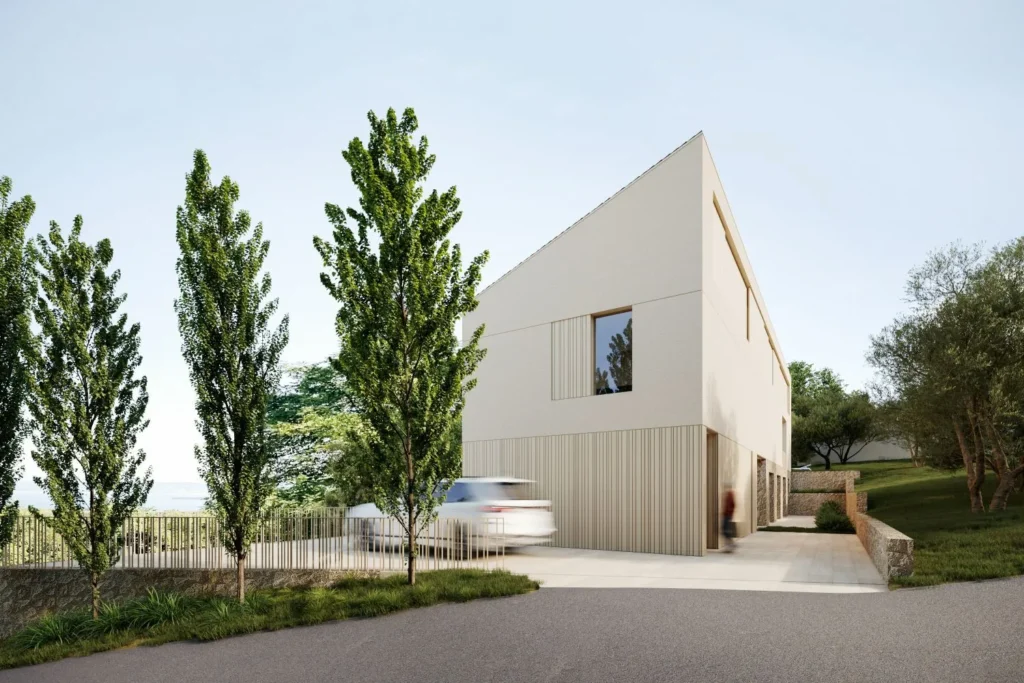
At the center of this change stands ESG — Environmental, Social, and Governance — transforming design from a creative pursuit into an ethical, data-informed, and business-critical discipline.
ESG as the Blueprint for Modern Design
Redefining the Purpose of Design
Traditionally, design outcomes were evaluated through cost, utility, and aesthetics. But ESG adds a new layer: impact. It asks how each decision affects the environment, benefits people, and supports transparent operations.
For architects and developers, this means that sustainability is no longer a checkbox; it is a foundation. The modern design brief increasingly includes carbon lifecycle analysis, supply chain ethics, accessibility, and resilience planning.
Design professionals now find themselves in boardroom discussions — not merely to visualize projects, but to define how these projects will perform under sustainability disclosures, investor scrutiny, and regulatory compliance.
The Financial Logic Behind ESG Design
ESG-aligned design is not just ethically sound; it is economically strategic. Green-certified buildings, for instance, have been shown to command 7–10% higher asset value and lower operating costs by 20–30%. Institutional investors are increasingly linking funding terms to environmental performance.
From LEED and BREEAM to WELL and RESET, certifications now translate design quality into measurable investor confidence. In this sense, design has become an asset class in itself — an enabler of long-term value and risk mitigation.
The message is clear: ESG is no longer shaping design; it is defining investment-grade design.
Environmental Design: From Efficiency to Regeneration
Beyond Green Buildings
Sustainability once meant energy-efficient lighting and rooftop solar panels. Today, it means building systems that give back — regenerative design that restores biodiversity, manages water intelligently, and integrates with circular material economies.
Leading architectural firms are now integrating data-driven material libraries, AI-based lifecycle analysis, and parametric modeling to minimize embodied carbon at the earliest design stage. This proactive approach prevents environmental risk rather than compensating for it later.
For example, using low-carbon concrete and recycled steel can reduce a project’s embodied emissions by more than 40%. Similarly, green facades, living roofs, and urban vegetation corridors are redefining how cities balance human density with ecological vitality.
Designing for Climate Resilience
ESG-oriented design must also withstand climate uncertainty. Rising sea levels, temperature extremes, and resource scarcity demand infrastructure that adapts, not just endures.
Climate-resilient design now includes elevated foundations, natural shading systems, and integrated renewable power. More advanced projects incorporate real-time climate modeling, allowing buildings to self-adjust energy loads and ventilation based on predictive weather analytics.
This shift from passive sustainability to active resilience marks a turning point — design as a living organism that learns, adapts, and safeguards.
The Social Dimension: Designing for Human and Community Value
Building for People, Not Just Populations
While the “E” of ESG dominates most sustainability conversations, the “S” defines how those goals connect to people. Socially conscious design goes beyond accessibility codes. It ensures emotional, psychological, and communal well-being through inclusive, equitable, and participatory spaces.
Workplaces now integrate natural light, air quality systems, quiet zones, and flexible layouts that support mental wellness and hybrid work. Public infrastructure prioritizes gender-sensitive safety, accessibility for persons with disabilities, and child-friendly urban mobility.
In residential design, social value is expressed through shared spaces, community gardens, and proximity to essential services — what urban planners now call the “15-minute city” concept. These models make everyday life more livable and sustainable at once.
Measuring the Human Experience
To make the social dimension tangible, design firms are developing frameworks that quantify user well-being. Metrics such as Indoor Environmental Quality (IEQ), Occupant Satisfaction Index, and Social Impact Assessment are helping organizations evaluate how space directly influences human performance.
An inclusive office, for example, does not only boost morale; it can reduce attrition and increase productivity by measurable margins. Cities adopting socially inclusive design have shown better resilience in crisis recovery and public trust in governance.
Design, therefore, is emerging as the new frontier of social policy — one that turns empathy into economics.
Governance Through Design: Building Transparency and Trust
Ethical Architecture in Practice
Governance is often overlooked in creative industries, yet it is the element that ensures long-term credibility. Transparent governance practices in design mean verifiable material sourcing, ethical procurement, and consistent ESG reporting.
Firms are increasingly required to align their projects with global reporting frameworks such as the Global Reporting Initiative (GRI), ISSB, and EU CSRD. This is transforming how architecture firms communicate accountability — from disclosing supplier audits to integrating third-party ESG assurance.
Corporate clients, especially in finance and infrastructure, now expect governance structures that extend from design boardrooms to construction sites. The ethics of how a building is made matter as much as its environmental footprint.
Data, Disclosure, and Digital Integrity
Governance also intersects with data. Smart buildings equipped with sensors now capture granular information on energy usage, air quality, and occupancy patterns. This creates new challenges — managing privacy, ensuring data integrity, and avoiding “greenwashing” through selective reporting.
By embedding ethical data protocols into design, companies safeguard transparency while enabling continuous performance monitoring. The governance of tomorrow’s buildings will be digital, dynamic, and auditable.
Innovation: The New Currency of ESG Design
Design as a Laboratory for Change
The intersection of ESG and innovation is producing a new generation of design thinking. Architects are no longer designing static spaces but adaptive ecosystems that evolve through feedback and technology.
AI-driven design simulation models predict how spatial changes affect carbon output, energy balance, and user comfort. Digital twins — virtual replicas of physical assets — now allow designers to monitor ESG performance in real time and make informed interventions during a building’s lifecycle.
Meanwhile, cross-disciplinary collaboration between architects, engineers, behavioral scientists, and sustainability experts is breaking silos and creating systemic innovation. This collaborative design culture drives solutions that are not only compliant but visionary.
The Business Case for Design Innovation
Innovation also has a direct commercial return. ESG-aligned innovation reduces operational costs, accelerates regulatory approval, and enhances brand reputation.
For instance, net-zero buildings achieve higher occupancy and attract ESG-focused investors. Adaptive façades and smart grids lower energy bills. And community-integrated developments strengthen public approval — a key factor for urban planning permissions.
In essence, innovation transforms ESG design from compliance into competitive advantage.
The Way Forward: Accountability as Aesthetics
The future of design will be measured not only by beauty or efficiency, but by accountability. The buildings and cities of tomorrow will need to justify their existence — environmentally, socially, and economically — through transparent, measurable, and lasting impact.
ESG is not a parallel discipline; it is the operating system of modern design. The firms that adapt will not just build structures — they will build trust, resilience, and legacy.
About IFRSLAB
At IFRSLAB, we work with forward-thinking organizations to embed ESG principles into the design and governance of their projects. From lifecycle carbon assessments and impact measurement to sustainability reporting and training, we empower businesses to align creativity with compliance.
Our approach ensures that every building, project, or community reflects a deeper purpose — measurable responsibility, enduring value, and collective progress.
IFRSLAB — Enabling Businesses to Lead with Responsibility.