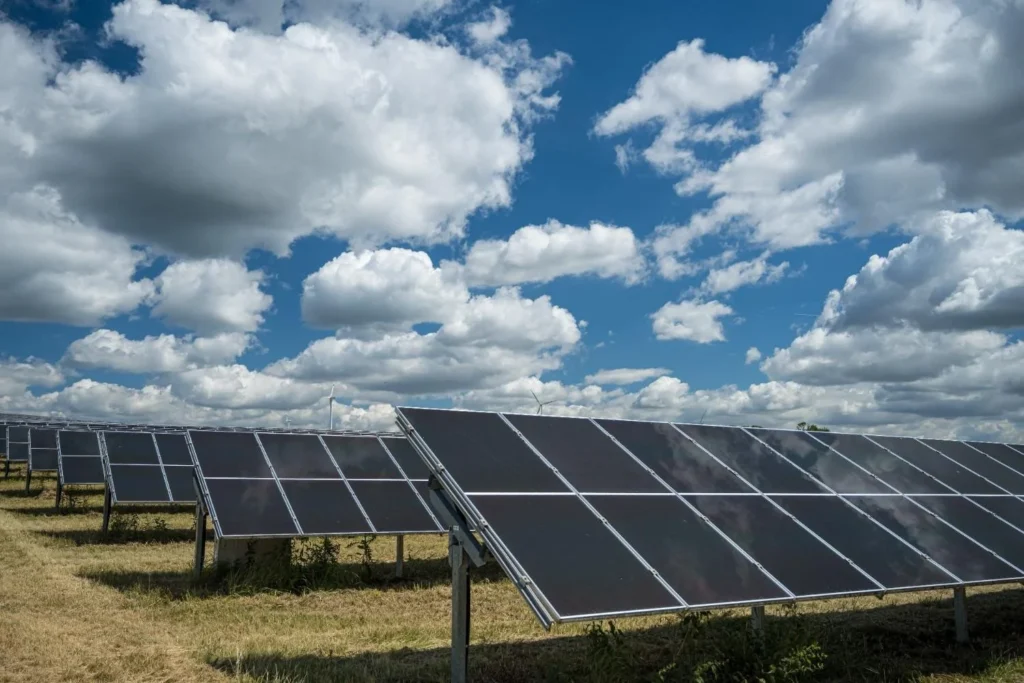
Environmental, Social, and Governance (ESG) principles are redefining the parameters of success in the solar industry. They are transforming how companies design projects, attract investment, and measure value creation. ESG is not a separate agenda; it is the operating DNA of modern energy businesses that wish to thrive in a low-carbon economy.
Rethinking Solar Growth Through ESG
The solar sector has achieved remarkable growth, but scale alone cannot guarantee sustainability. For years, rapid expansion often came at the cost of responsible supply chains, fair labor, and transparent reporting. ESG integration is correcting that imbalance by embedding accountability into every stage of the solar lifecycle — from material sourcing and land acquisition to decommissioning and recycling.
ESG today defines how investors assess risk, how regulators enforce disclosure, and how communities perceive corporate integrity. It compels companies to view solar energy not merely as a product but as a platform for shared value creation.
For developers and operators, this means incorporating environmental due diligence in site selection, ensuring ethical labor practices during construction, and maintaining transparent governance frameworks throughout operation. For investors, it means assessing long-term resilience — not only in financial returns, but also in carbon alignment, social acceptance, and board-level governance.
By adopting ESG as a strategic enabler, the solar industry is evolving from an energy supplier into a systemic driver of sustainable development.
The Environmental Imperative: Beyond Carbon Neutrality
Solar power is celebrated for its zero-emission output, but true environmental responsibility requires a broader perspective. An ESG-based approach looks at the entire environmental footprint of solar infrastructure — from raw material extraction to end-of-life recovery.
Modern solar manufacturing depends on energy-intensive processes that use silicon, aluminum, copper, and rare earth elements. Companies leading on ESG are investing in low-carbon production facilities powered by renewables, implementing lifecycle carbon accounting, and adopting transparent reporting aligned with the Science Based Targets Initiative (SBTi).
Equally important is responsible land and resource use. Poorly planned solar farms can strain ecosystems or compete with agriculture. Integrating environmental impact assessments early in the project cycle and embracing innovations like agrivoltaics — where solar panels coexist with crops or livestock — can maximize land productivity while preserving biodiversity.
The next challenge lies in managing end-of-life waste. By 2050, millions of tons of decommissioned solar panels will require recycling or recovery. ESG-compliant firms are now investing in circular economy solutions that extract valuable materials like glass and silicon, creating new markets for secondary raw materials and reducing the sector’s long-term environmental footprint.
In short, the environmental component of ESG is no longer confined to emissions reduction. It now encompasses a full commitment to resource stewardship, ecosystem protection, and responsible growth.
The Social Mandate: Empowerment Through Energy
The social dimension of ESG focuses on how solar power translates into tangible benefits for people and communities. Energy access, employment, education, and equity are no longer side effects of solar projects — they are success indicators.
Solar development creates opportunities across multiple levels of society. Manufacturing and installation generate skilled and semi-skilled jobs, particularly in developing economies. When developers hire locally and invest in training programs, they foster long-term socioeconomic resilience.
Access to affordable and reliable energy transforms communities. Off-grid solar systems are electrifying remote villages, enabling small businesses, and improving education through stable lighting. Socially conscious solar projects also consider gender and inclusion. Programs that empower women as technicians, entrepreneurs, or community energy leaders are redefining participation in the energy transition.
At a governance level, strong social performance requires meaningful community engagement. Projects planned without consultation often face opposition or legal challenges. By contrast, companies that listen, disclose, and collaborate with local stakeholders build trust that extends far beyond project timelines.
The “S” in ESG has become a barometer for the legitimacy of solar growth — it measures not just how many people are powered, but how many lives are improved.
Governance: The New Currency of Trust
In an era where sustainability data determines investment decisions, governance is what ensures that solar promises translate into performance. It forms the backbone of transparency, ethics, and long-term stability.
For the solar sector, governance begins with clear board oversight. Companies with independent directors responsible for sustainability strategy are more likely to integrate ESG objectives into business decisions rather than treating them as parallel initiatives. Transparent reporting aligned with frameworks such as GRI, ISSB, and TCFD strengthens accountability and investor confidence.
Supply chain governance is equally critical. Solar modules depend on complex global sourcing networks. Without rigorous oversight, risks such as labor exploitation, corruption, or material traceability can erode the credibility of clean energy claims. ESG-aligned organizations are enforcing supplier audits, adopting ethical procurement codes, and using digital traceability systems to verify the origin of materials.
Effective governance also requires robust anti-corruption systems, whistleblower protection, and clear performance disclosure. Investors increasingly expect companies to link executive compensation with ESG outcomes — a move that aligns leadership incentives with sustainability performance.
Simply put, governance converts intent into institutional reliability. It transforms ESG from a set of ideals into an auditable system of trust.
ESG Reporting: Turning Data into Strategy
ESG reporting has evolved from a voluntary gesture to a global expectation. For solar companies, structured disclosure provides both a compliance shield and a competitive advantage.
Modern investors assess solar projects not just on return potential but on ESG maturity. They want to see measurable data — energy yield relative to emissions, worker safety metrics, diversity ratios, and carbon reduction trajectories. Aligning with frameworks like the Global Reporting Initiative (GRI) and the International Sustainability Standards Board (ISSB) allows solar companies to translate sustainability actions into investor-grade evidence.
Beyond reporting, data-driven ESG enables better operational management. Real-time monitoring of water use, waste generation, and equipment efficiency supports predictive maintenance and resource optimization. As artificial intelligence and IoT technologies integrate into solar operations, ESG data is becoming an asset — one that improves performance, reduces risks, and guides investment decisions.
For global developers and investors, accurate ESG disclosure is now synonymous with financial resilience. It is the key to unlocking green finance, sustainability-linked loans, and institutional partnerships that reward accountability and transparency.
The Business Case for ESG in Solar Energy
Adopting ESG is not merely a moral choice; it is a strategic one. Companies that integrate ESG into solar operations are demonstrating stronger profitability, reduced risk exposure, and higher investor trust.
- Operational Efficiency and Cost Reduction: Energy-efficient production, resource recycling, and optimized logistics reduce costs and enhance return on investment.
- Investor Attraction: Green financing channels are growing rapidly, with ESG-linked investments surpassing USD 40 trillion globally. Projects with verifiable ESG metrics have preferential access to capital.
- Risk Management: ESG frameworks help identify and mitigate non-financial risks — from community opposition to regulatory penalties and supply chain disruptions.
- Reputation and Talent Retention: As sustainability becomes a corporate value, employees and stakeholders gravitate toward organizations with purpose-driven strategies and transparent operations.
By embedding ESG principles into their DNA, solar energy companies are not just improving performance — they are redefining what corporate leadership looks like in a carbon-constrained world.
The Way Forward: From Clean Energy to Responsible Energy
The next phase of the solar industry will not be defined by technology alone, but by integrity. As global markets accelerate toward decarbonization, ESG integration will determine which companies endure and which fade.
The world no longer rewards scale without responsibility. Solar companies that demonstrate measurable environmental accountability, social inclusion, and ethical governance will lead the transformation from clean energy to responsible energy.
Building that transformation requires commitment — to transparent reporting, equitable growth, and continuous improvement. It also demands collaboration between policymakers, financiers, and developers to ensure ESG remains a catalyst for progress rather than a compliance burden.
About IFRSLAB
At IFRSLAB, we believe that sustainability is not just a reporting requirement; it is a business strategy. Through our ESG advisory and reporting services, we help organizations integrate sustainability into their operational models, align with international frameworks, and achieve verifiable impact.
From carbon accounting and ESG due diligence to governance structuring and disclosure alignment, IFRSLAB partners with businesses to transform ESG from obligation into opportunity.
IFRSLAB — Enabling Businesses to Lead with Responsibility.